
Bank Forum: The actions taken by Belfius in response to citizens’ recommendations
On Monday 16 November, Belfius unveiled the concrete actions it has taken in response to the 20 recommendations put forward in June by the citizen panel of the Bank Forum, organised in collaboration with G1000. The bank says it has taken the vast majority of these recommendations into account. But what does this mean in practice? And could this initiative serve as a model beyond the banking sector?
The Bank Forum at a glance
“How can a bank innovate digitally while remaining safe and human-centred?”
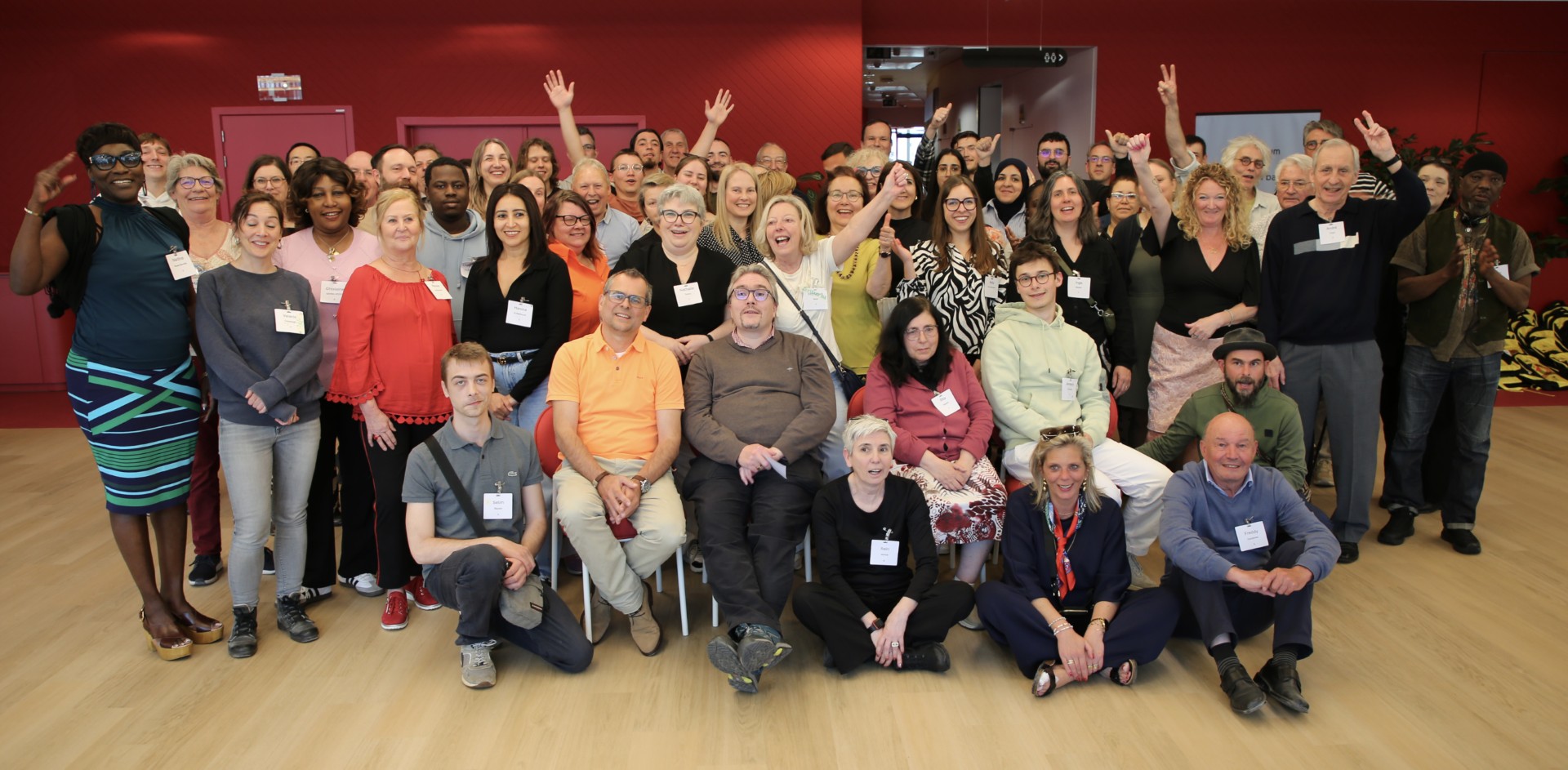
To address this question, Belfius launched the Bank Forum, a citizen dialogue process led by G1000, which ran from March to May 2026. Over three weekends, 75 people from diverse backgrounds shared their experiences, debated key issues and developed joint proposals. The process was facilitated by Levuur, while an external advisory committee ensured its integrity.
A first in Belgium that could inspire other sectors
“The digitalisation of the financial sector is advancing extremely rapidly, and everyone is affected by it. The Bank Forum therefore could not have come at a better time,” says Ben Eersels, Co-Director of G1000.
This initiative clearly demonstrates that involving citizens in discussions on such an important societal issue can lead to better solutions, with particular attention to the needs of all groups in society.
The Bank Forum also marked a first: an innovative and ambitious participatory process initiated, for the first time, by a private-sector organisation.
As Belfius highlights in its press release:
“The impact of this initiative extends beyond Belfius itself. The recommendations have also been shared with the wider sector through Febelfin, the Belgian financial sector federation, to help inform discussions across all Belgian banks. Through the Bank Forum, Belfius demonstrates that citizen participation can genuinely change the way a bank operates. Listening does not end with dialogue: it leads to decisions, concrete actions and a lasting commitment to building the bank of tomorrow together with the people it serves.”
For G1000, the significance of this initiative extends beyond banking: it demonstrates why citizen deliberation should have a place in every sector that directly affects people's daily lives.
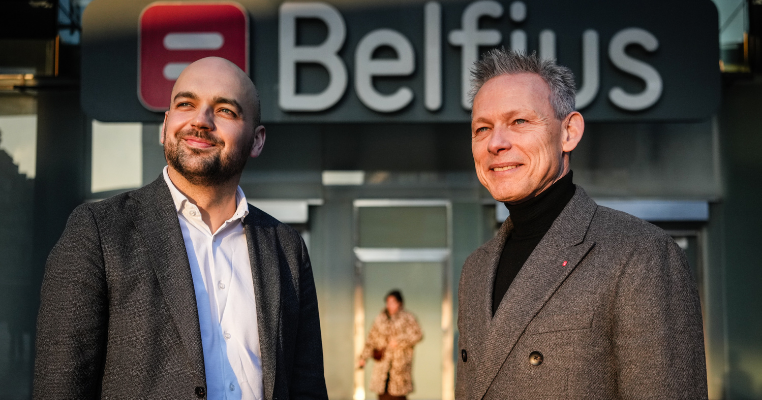
Ben Eersels, Co-Director of G1000, and Olivier Onclin, CEO of Belfius.
From recommendations to action: Belfius' response in 4 key areas
“This process was never intended to be a box-ticking exercise,” says Olivier Onclin, CEO of Belfius. “The participants challenged us, inspired us and sometimes took a critical view of our decisions. That was precisely the purpose of the initiative. We carefully examined each of their proposals. Some have already become a reality, while others are being developed. In a few cases, we made a different choice, and we openly explain why.”
Here is an overview of Belfius' responses and actions across the four main themes addressed by the citizens.

1. Tackling banking fraud
Participants expressed widespread concern about fraud and called for concrete solutions. In response, Belfius has announced several improvements to its banking app to strengthen fraud detection and user security.
Another key request from citizens was the creation of a single anti-fraud telephone number. The banking sector has responded by introducing Fraud Stop, a joint initiative developed by banks working together through Febelfin.
Belfius has also announced a fraud prevention campaign, partially addressing citizens' calls for a coordinated campaign across the entire banking sector. However, the bank has decided not to pursue the proposal to establish a joint compensation fund for fraud victims.
It is worth noting that, in recent weeks, Belgian authorities have introduced new measures concerning compensation for fraud victims, an issue that is also being discussed at European level.
2. Financial and digital education for everyone
Participants called for basic financial management skills to be taught from an early age. Belfius has made financial education a priority of its 2030 strategy for its customers.
One of the initiatives highlighted is the Digitruck, a 12-metre-long truck equipped with computers that travels across Belgium to help students, teachers and local residents improve their digital skills, with support from trained facilitators.
At sector level, Febelfin also provides an educational platform giving schools access to lessons, teaching materials and opportunities to meet financial experts.

3. More accessible and inclusive banking services
Several recommendations emphasised the importance of ensuring that banking services remain accessible, both online and in physical branches.
Since October, Belfius has doubled the number of time slots during which customers can visit a branch without an appointment.
In terms of language accessibility, an English version of the banking app is currently being developed, while the possibility of introducing a German version will be explored at a later stage.
4. Citizen participation beyond the Forum
Belfius has committed to continuing its dialogue with citizens beyond the Forum itself, particularly through its annual survey and Ulab, a diverse panel of users who test new features when significant changes are made to the banking app.
However, the bank has decided not to adopt the proposal to establish an internal citizens' council with a say in its strategy.
A two-stage participatory process
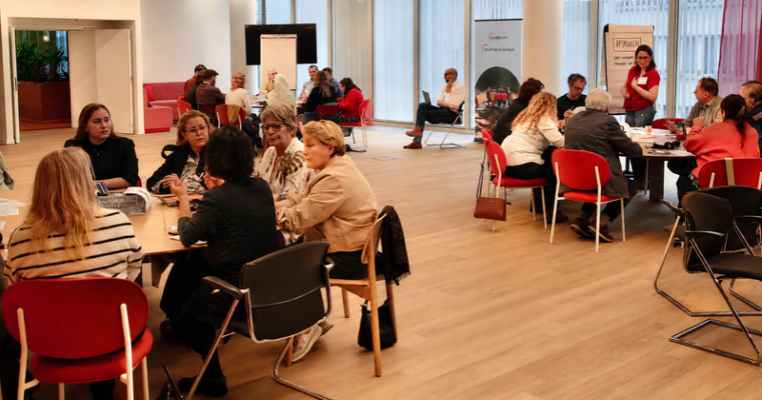
The Bank Forum brought together two complementary forms of participation: in-depth deliberation by a citizen panel and consultation with the wider public.
Following the panel discussions, an online public consultation, known as a preferendum, gave everyone the opportunity to express their views on the recommendations and identify those they considered most important.
Nearly 3,500 people took part in this consultation, endorsing the 20 recommendations developed by the citizen panel. Their responses provided Belfius with additional insights into the expectations of the wider public.
Conducted in collaboration with Treecompany, this pilot project has enabled G1000 to draw valuable lessons on how to most effectively combine citizen panels with broader public consultation.